


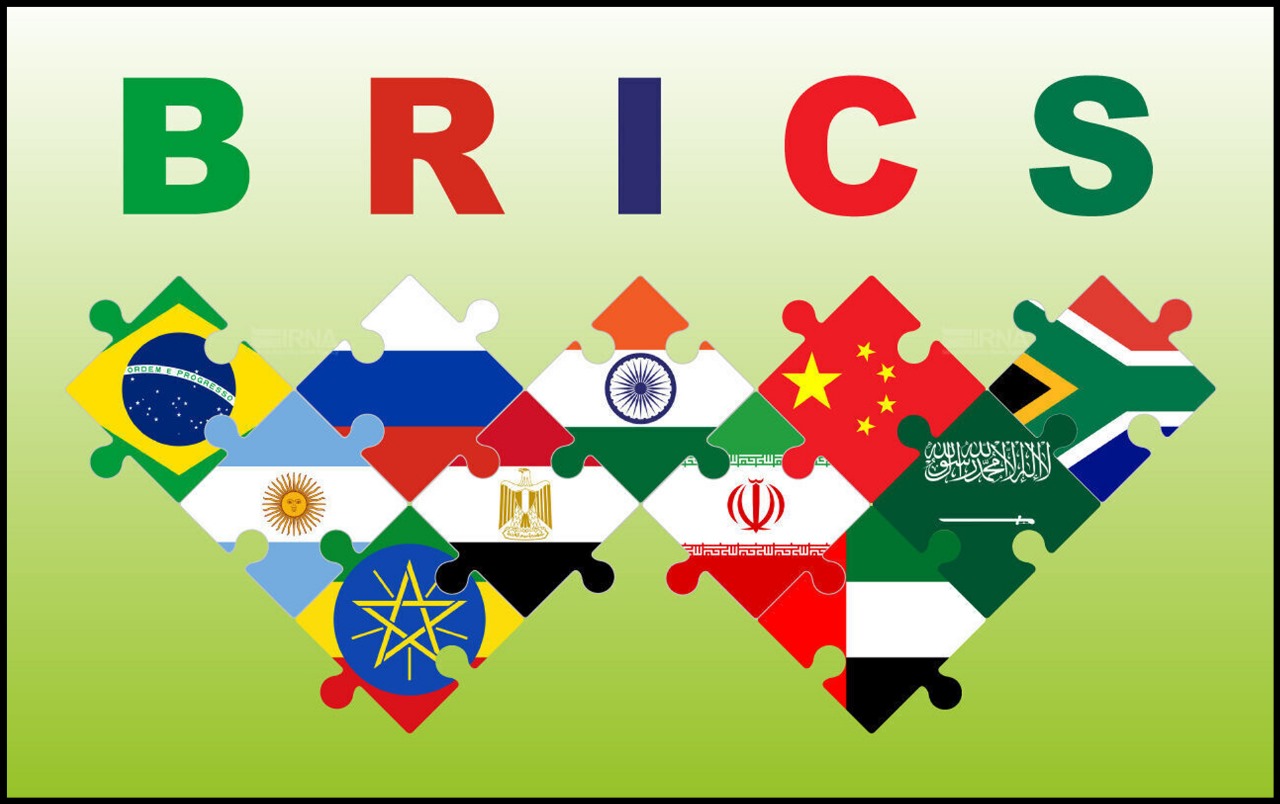

India arrived at its own BRICS summit with one exportable piece of infrastructure, and it spent Thursday selling it. The Unified Payments Interface now handles roughly half of all real-time digital payments made anywhere in the world, and Narendra Modi put that number in front of the BRICS Business Forum at Bharat Mandapam before the leaders’ sessions opened.
"India’s UPI has, on a population scale, given digital transaction and financial inclusion new heights," the prime minister said.
The pitch behind the statistic is narrower than the statistic suggests. New Delhi is not proposing that other members adopt UPI. It is proposing interoperability — that national instant-payment systems and, eventually, member central bank digital currencies be linked so a payment can clear across borders without routing through a correspondent bank in a third country.
Payments agenda
That sits on the leaders’ agenda alongside faster cross-border payments and wider settlement in national currencies. All three are versions of the same problem: members that trade heavily with each other still clear most of it in a currency none of them issues, paying spreads and settlement lag for the privilege.
The technical case is easier than the political one. Instant-payment rails are national systems built to national rulebooks, with their own identity layers, message formats and settlement finality rules. Linking two is a bilateral project measured in years. Linking eleven, plus ten partner countries, is not a summit deliverable — it is a decade of plumbing.
What a summit can produce is a mandate to start. India has spent its chairship year building the case in meetings rather than communiqués: more than 350 BRICS gatherings across 25-plus Indian cities, a large share of them technical, before any leader landed.
The distinction New Delhi keeps drawing is between settlement plumbing and monetary politics. Linking payment systems lowers the cost of trading in rupees, reais or dirhams. It is not a common currency, and India has been careful to say so — there is no agreement among members on one, and the subject carries a direct cost. US President Donald Trump has threatened 100% tariffs on countries pursuing what he has characterised as anti-dollar initiatives.
That threat shapes the language more than the engineering. A member can build interoperable rails and describe them as trade facilitation. The same rails described as de-dollarisation invite retaliation. India, which runs a large trade relationship with the United States, has every reason to keep the framing technical.
Digital trade and artificial intelligence also feature in the economic sessions running Friday and Saturday, part of an agenda that stretches from supply-chain resilience to energy security and climate finance. Leaders are expected to issue a New Delhi Declaration before the summit closes.


